Comparative genome analysis of Streptomyces silvae

A genome-based study showing that the S. silvae clade is taxonomically coherent, yet structurally and biosynthetically diversified.

Key findings Explore analyses

Dr. Daniela Hartmann • Technische Universität Dresden

This website presents my doctoral research at the interface of laboratory microbiology and comparative genomics.

The project shows how closely related S. silvae strains remain taxonomically consistent while differing in genome structure, biosynthetic potential, and phenotype.

Background: Streptomyces bacteria

Streptomyces are Gram-positive, filamentous soil bacteria belonging to the phylum Actinobacteria. They are known for their complex life cycle, mycelium-like growth, and unusually large genomes with extensive biosynthetic potential.

These bacteria are highly relevant because they are among the most important natural producers of bioactive secondary metabolites, including antibiotics, antifungals, anticancer compounds, and other pharmaceutically valuable molecules.

This makes Streptomyces especially important for comparative genomics: differences in genome structure and biosynthetic gene clusters can reveal how closely related strains diversify, adapt to ecological niches, and differ in their potential to produce medically and biotechnologically relevant compounds.

References: van Bergeijk, D. A., Terlouw, B. R., Medema, M. H., & van Wezel, G. P. (2020). Ecology and genomics of Actinobacteria: new concepts for natural product discovery. Nature Reviews Microbiology, 18(10), 546-558.

Key findings

The S. silvae clade is taxonomically coherent

Pairwise ANI values range from 96.65 % to 100 %, remaining clearly above the 95 % species threshold.

Structural variation persists within the clade

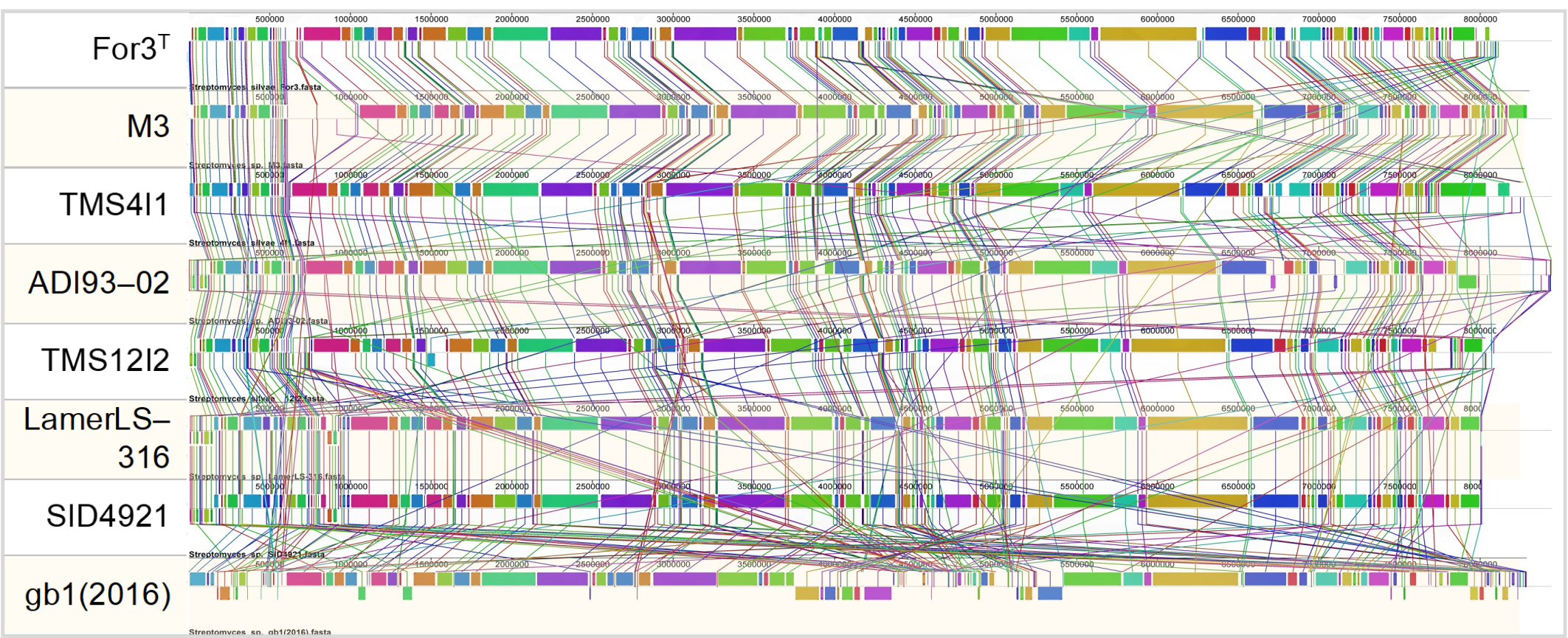
Whole-genome alignments show broadly conserved synteny, but also local rearrangements and inversions that distinguish individual strains.

Biosynthetic potential is conserved but not identical

Core BGCs are shared across strains, whereas accessory clusters vary and point to strain-level diversification in secondary metabolism.

Laboratory phenotypes support the genomic picture

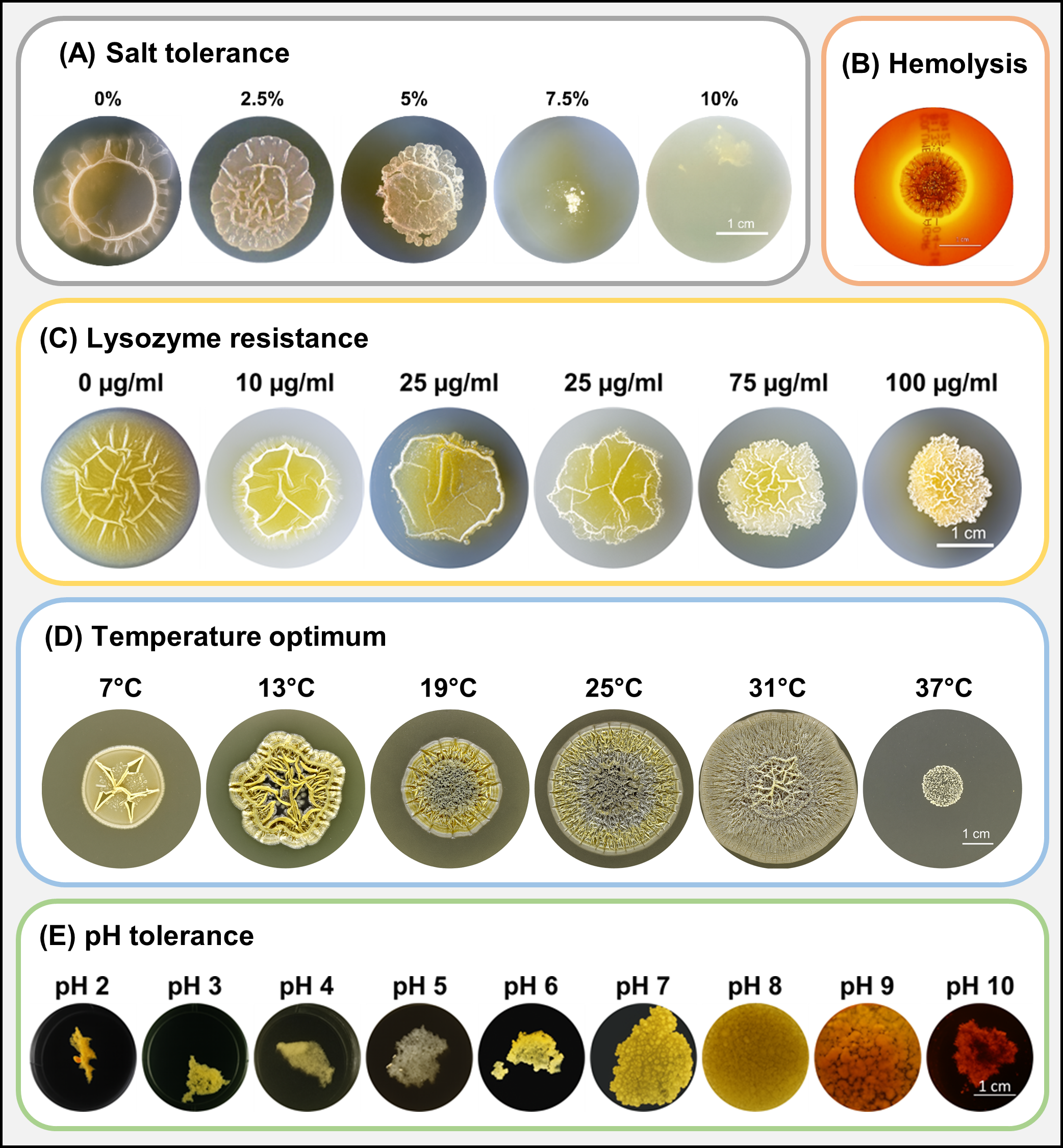
Broad tolerance across 7–37 °C, pH 2–10, and up to 10 % NaCl complements the observed genomic plasticity.

Research areas

Comparative Genomics

Genome-level comparison revealed high relatedness beyond the species threshold, but also clear strain-level structural variation.

  • ANI-based comparison of genomic relatedness
  • Synteny analysis and structural genome comparison
→ Details
Phylogenomics
Phylogenomics

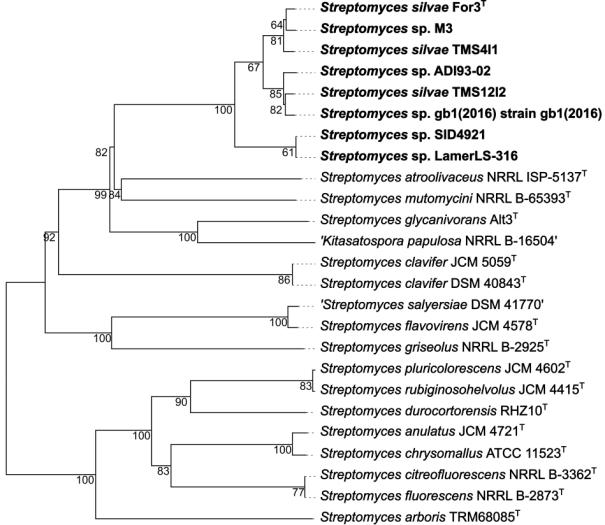
Phylogenomic reconstruction placed the analyzed strains within a coherent clade and supported their taxonomic interpretation.

  • Genome-based phylogenetic placement
  • Evolutionary context using reference genomes
→ Details
Genome Architecture & BGCs

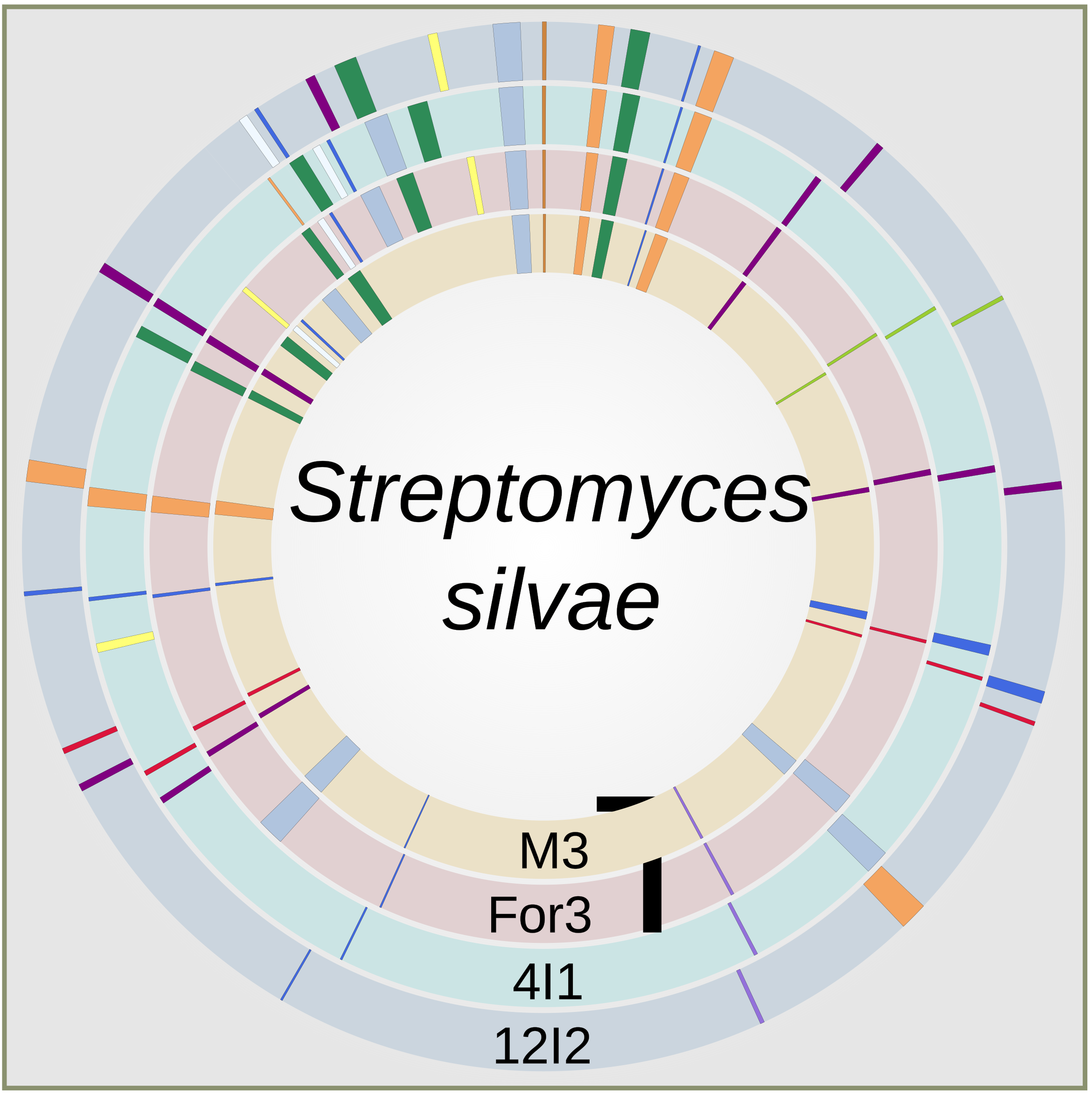
Genome maps and BGC profiles showed conserved core organization alongside local differences in chromosome structure and biosynthetic content.

  • Detailed visualization of representative genomes
  • Comparative assessment of biosynthetic potential
→ Details
Physiology
Physiology

Laboratory phenotyping linked genomic variation to observable differences in morphology and stress-related traits.

  • Macromorphology and stress tolerance tests
  • Experimental comparison of selected strains
→ Details
Deutsche Kurzfassung

Diese Seite präsentiert meine Promotionsforschung zur vergleichenden Genomanalyse von S. silvae. Die Ergebnisse zeigen, dass die untersuchten Stämme trotz taxonomischer Kohärenz Unterschiede in Genomstruktur, biosynthetischem Potenzial und Phänotyp aufweisen.

Contact

Interested in comparative genomics, microbial phylogenomics, genome visualization, or strain-level analysis of actinomycetes? I welcome scientific exchange, collaboration, and research-related inquiries.

Dr. Daniela Hartmann
Technische Universität Dresden
daniela.hartmann@tu-dresden.de